What is a good attenuation rating for a faraday bag?
For executive protection and operational use, look for a minimum of 80 dB measured across 600 MHz through 40 GHz. Sixty dB is the floor for serious privacy use. Ratings under 40 dB are consumer-grade and will not reliably block modern cellular or 5G signals.
Is MIL-STD-188-125 the same as IEEE 299?
No. MIL-STD-188-125 is a U.S. Department of Defense standard for HEMP protection of fixed facilities. IEEE 299 and IEEE 299.1 are civilian shielding effectiveness measurement standards. They share methodology but differ in scope, frequency range, and certification authority.
Why does a single dB number on a spec sheet mean nothing?
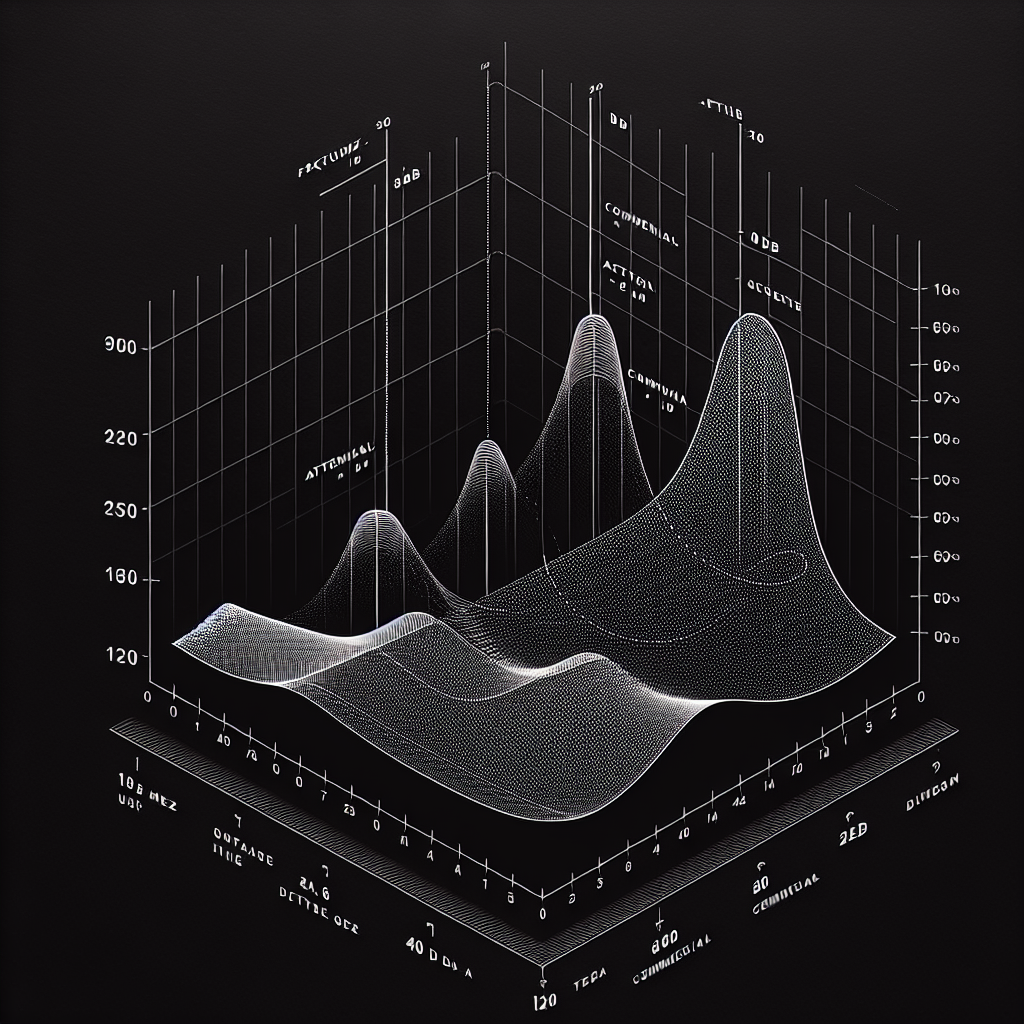
Shielding effectiveness varies sharply with frequency. A bag that achieves 90 dB at 1 GHz can collapse to 40 dB at 6 GHz. Without a tested curve across the full spectrum, a single number reveals only the best-case point and hides the operational weak band where surveillance actually happens.
How is faraday bag attenuation actually measured?
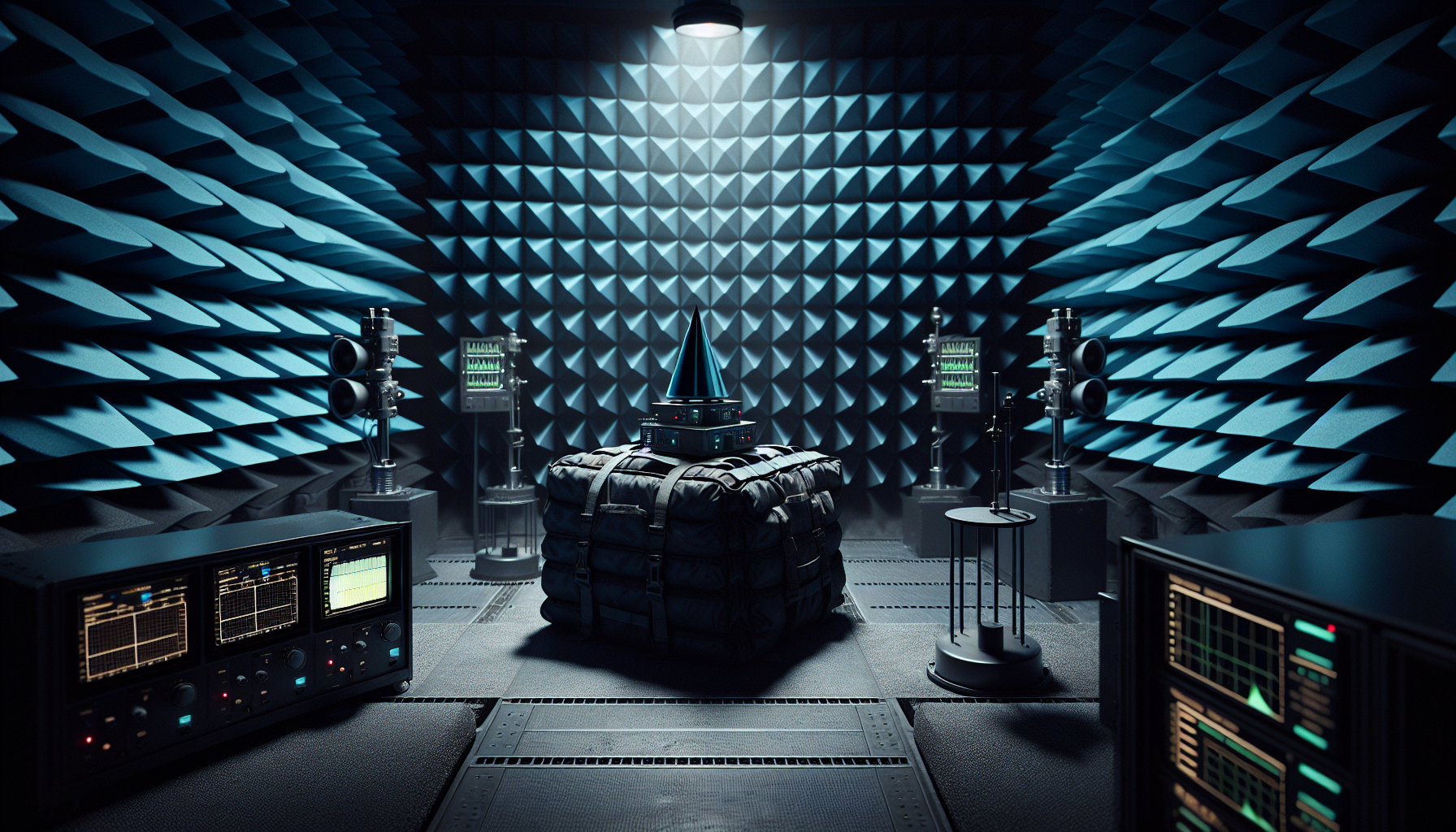
An accredited RF lab places the bag between calibrated transmit and receive antennas inside a shielded chamber. A signal generator sweeps the target frequency band. Attenuation in dB equals baseline power minus shielded power at each frequency. The test should be repeated after multiple closure cycles to verify durability.
Are attenuation claims above 120 dB realistic for a portable bag?
For a single-layer portable bag, no. Sustained attenuation above 120 dB requires double-shielded construction, gasketed seams, and laboratory conditions. Vendors advertising 120 dB or more on a soft pouch are typically citing a peak measurement at a narrow frequency, not a guaranteed minimum across the band.
Does a higher dB rating drain my phone battery faster inside the bag?
Yes, indirectly. The phone cannot find a tower so it transmits at maximum power searching for signal. This is true of any effective faraday bag, regardless of dB rating. To preserve battery, power down the device before sealing it inside the shielded enclosure.